Navigating the fast-paced world of e-commerce requires the right set of tools and platforms to stay competitive and efficient. From managing inventory to streamlining customer communication, the digital landscape offers countless solutions tailored to every business size and niche.

Understanding which tools can truly elevate your operations is essential, especially as new technologies continuously reshape how we sell online. Whether you’re just starting out or looking to optimize your existing store, knowing these essentials can save time and boost profits.
Let’s dive in and explore the must-have e-commerce tools that are making a real difference today!
Optimizing Inventory Management with Smart Solutions
Embracing Automation to Avoid Stockouts and Overstock
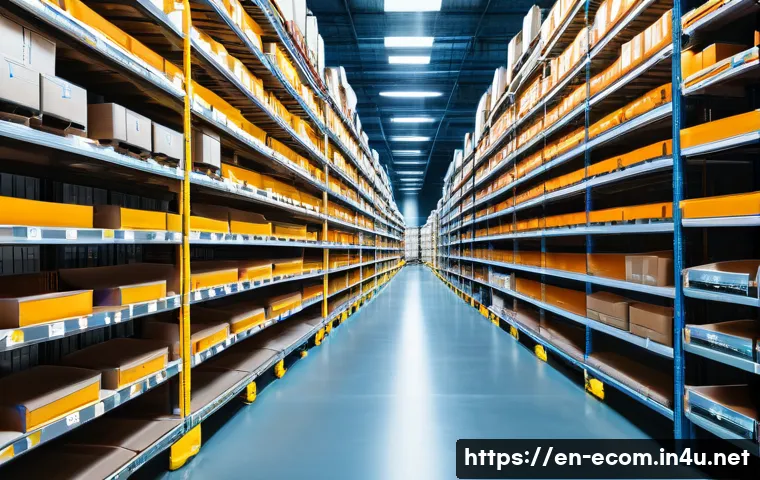
Managing inventory manually can quickly become overwhelming, especially as your e-commerce store grows. I’ve experienced firsthand how automated inventory systems can transform this process.
These tools track stock levels in real time, automatically updating quantities as orders come in or returns are processed. This not only prevents stockouts—which can lead to lost sales and frustrated customers—but also helps avoid excess inventory that ties up cash flow and storage space.
The peace of mind that comes from knowing your inventory data is accurate and up-to-date can’t be overstated. Plus, automation frees up your time to focus on other critical areas, like marketing or product development.
Integrating Inventory with Multiple Sales Channels
If you’re selling across several platforms—like your own website, Amazon, eBay, or social media marketplaces—keeping inventory synchronized is a nightmare without the right tools.
I’ve run into situations where an item sold on one platform still appeared available on another, leading to cancellations and unhappy customers. Inventory management solutions with multi-channel integration help solve this by syncing stock levels instantly across all your sales channels.
This reduces human error and improves customer satisfaction because buyers see accurate availability no matter where they shop. It’s essential for any growing e-commerce business aiming to expand its reach while maintaining operational control.
Forecasting Demand with Data-Driven Insights
One underrated feature of advanced inventory tools is demand forecasting. Based on historical sales data, seasonal trends, and even marketing campaigns, these tools predict future inventory needs with surprising accuracy.
I’ve found that this feature helps me plan better for peak seasons and avoid last-minute rush orders or markdowns. It’s like having a crystal ball for your stock, allowing smarter purchasing decisions and smoother cash flow management.
Some platforms even suggest reorder points and quantities, making it easier for business owners who aren’t inventory experts to maintain optimal stock levels.
Enhancing Customer Communication with Personalized Tools
Automated Messaging for Timely Updates
Nothing beats keeping customers in the loop throughout their buying journey. Automated messaging platforms have been a game-changer for me, sending order confirmations, shipping updates, and delivery notifications without lifting a finger.
Customers appreciate knowing exactly where their order stands, which reduces inquiries and builds trust. These tools can also send personalized follow-ups asking for reviews or offering related products, boosting engagement and repeat business.
I’ve noticed that consistent, timely communication lowers cart abandonment and increases customer lifetime value, which is crucial for any e-commerce store’s growth.
Live Chat and Chatbots for Instant Support
Website visitors often have questions before completing a purchase, and live chat options can be the difference between closing a sale and losing a customer.
Incorporating chatbots that handle common queries 24/7 has been invaluable in my experience, especially outside normal business hours. For more complex issues, live agents can step in seamlessly.
This hybrid approach ensures customers never feel ignored, providing immediate assistance and improving conversion rates. Plus, chat transcripts offer insights into common pain points, helping you refine your store’s experience over time.
Leveraging Customer Data for Personalized Marketing
Using customer data responsibly to personalize marketing messages has a huge impact on engagement. Tools that segment customers based on purchase history, browsing behavior, or location enable tailored email campaigns and targeted ads.
I’ve seen open and click-through rates soar when messages feel relevant rather than generic. Integrating these tools with your CRM and e-commerce platform makes automation smoother, ensuring customers receive the right message at the right time.
This kind of personalization builds loyalty and encourages repeat purchases, which is vital in a competitive online market.
Streamlining Payment and Checkout Processes
Offering Multiple Payment Options
Customers expect flexibility when paying, and limiting options can mean lost sales. I always recommend integrating a variety of payment methods—including credit/debit cards, digital wallets like Apple Pay and Google Pay, and buy-now-pay-later services.
This caters to diverse preferences and reduces friction at checkout. From my experience, stores that offer multiple secure payment options see higher conversion rates because customers feel more comfortable and confident completing their purchase.
Reducing Cart Abandonment with Optimized Checkout
A clunky or lengthy checkout process is one of the biggest reasons customers abandon carts. Simplifying this step by minimizing required fields, enabling guest checkout, and providing clear progress indicators can make a huge difference.
I’ve tested various checkout flows, and even small tweaks—like auto-filling address information or displaying trust badges—boost completion rates. Streamlining checkout isn’t just about speed; it’s about building trust and removing any last-minute doubts that might stop customers from buying.
Ensuring Security and Compliance
Security is paramount for both merchants and customers. Implementing PCI-compliant payment gateways and SSL encryption builds trust and protects sensitive data.
From my perspective, clearly communicating security measures at checkout reassures customers and reduces hesitation. Also, staying up to date with regulations like GDPR or CCPA is essential to avoid legal pitfalls and maintain your store’s reputation.
Investing in robust security tools is non-negotiable in today’s e-commerce environment.
Leveraging Analytics to Drive Smarter Decisions
Tracking Customer Behavior and Sales Performance
Analytics platforms offer deep insights into how visitors interact with your store, what products perform best, and where drop-offs occur. I rely heavily on these tools to identify bottlenecks and opportunities.
For example, seeing which pages have high bounce rates helps me optimize content or navigation. Monitoring sales by product category guides inventory and marketing investments.
Without these data-driven insights, you’re essentially flying blind.

Using A/B Testing to Optimize User Experience
One of the most effective ways to improve conversion rates is through A/B testing different elements like headlines, images, or call-to-action buttons.
I’ve run multiple tests that yielded surprising results—sometimes a simple color change or wording tweak can significantly increase engagement. These experiments help refine your store’s design and messaging based on real user feedback rather than guesswork.
Forecasting Trends and Planning Campaigns
Combining analytics with external market data allows better forecasting of demand and campaign timing. I’ve planned promotions around predicted seasonal spikes or trending products, resulting in higher ROI.
Integrating analytics tools with your marketing platforms makes it easier to automate campaigns and measure their effectiveness, ensuring you allocate your budget wisely.
Streamlining Order Fulfillment and Shipping
Automated Order Processing for Efficiency
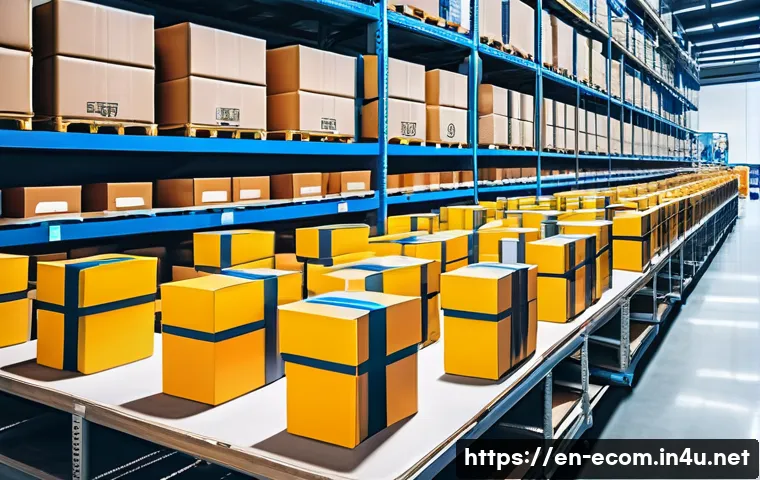
Managing orders manually can slow down fulfillment and increase errors. I’ve found that order management systems that automate tasks like printing shipping labels, updating order status, and notifying customers save countless hours.
This efficiency leads to faster deliveries and happier customers, which is critical in a competitive market where speed matters.
Choosing the Right Shipping Partners and Options
Offering multiple shipping options—standard, expedited, international—caters to different customer needs. I’ve tested several carriers and negotiated rates to balance cost and service quality.
Integrating shipping software that compares rates and prints labels in one place simplifies the entire process. Transparency about shipping costs and delivery times during checkout also reduces cart abandonment.
Handling Returns Smoothly to Maintain Trust
A clear, hassle-free returns policy can turn a potentially negative experience into a trust-building opportunity. I’ve learned that providing prepaid return labels and clear instructions encourages customers to shop with confidence.
Using returns management tools helps track and process returns quickly, minimizing losses and improving customer satisfaction.
Essential Marketing Platforms to Expand Reach
Social Media Integration for Seamless Selling
Social commerce has exploded, and integrating your store with platforms like Instagram, Facebook, and TikTok can drive significant traffic and sales. I’ve used shoppable posts and stories to showcase products directly where customers spend time.
This reduces friction between discovery and purchase, making the buying process more natural and engaging.
Influencer Partnerships and Affiliate Programs
Collaborating with influencers or setting up affiliate programs can amplify your brand’s reach exponentially. From my experience, choosing partners who genuinely align with your brand values and audience results in authentic promotion and better ROI.
Tracking and managing these relationships through specialized platforms simplifies payouts and performance analysis.
Email Marketing Automation for Retention
Email remains one of the highest ROI channels for e-commerce. Automation tools that segment lists and send personalized campaigns based on user behavior have been invaluable in my marketing strategy.
Welcome sequences, cart abandonment reminders, and loyalty rewards emails nurture relationships and drive repeat purchases, which are the backbone of sustainable growth.
| Category | Key Features | Benefits | Example Tools |
|---|---|---|---|
| Inventory Management | Real-time tracking, multi-channel sync, demand forecasting | Reduced stock issues, optimized cash flow, better planning | TradeGecko, Skubana, Zoho Inventory |
| Customer Communication | Automated messaging, live chat, personalized marketing | Improved customer satisfaction, higher engagement, repeat sales | Zendesk, Intercom, Klaviyo |
| Payment & Checkout | Multiple payment options, streamlined checkout, security compliance | Increased conversions, customer trust, reduced abandonment | Stripe, PayPal, Shopify Payments |
| Analytics & Optimization | Behavior tracking, A/B testing, sales forecasting | Data-driven decisions, improved UX, better marketing ROI | Google Analytics, Hotjar, Optimizely |
| Order Fulfillment | Automated processing, shipping integration, returns management | Faster delivery, cost savings, enhanced customer trust | ShipStation, Easyship, Returnly |
| Marketing Platforms | Social selling, influencer programs, email automation | Expanded reach, authentic promotion, increased retention | Facebook Shops, Refersion, Mailchimp |
Closing Thoughts
Optimizing your e-commerce operations with smart inventory, communication, payment, analytics, and marketing tools can make a huge difference in both efficiency and customer satisfaction. From my own experience, embracing these technologies not only saves time but also boosts sales and loyalty. Staying ahead in today’s competitive market means continuously refining your processes with data-driven solutions. Remember, the right tools empower you to focus on growing your business, not just managing it.
Useful Tips to Keep in Mind
1. Prioritize automation in inventory management to reduce errors and free up valuable time for strategic tasks.
2. Always integrate your inventory and sales channels to avoid overselling and maintain customer trust.
3. Use data-driven demand forecasting to plan stock purchases and avoid costly last-minute decisions.
4. Enhance customer experience with timely, personalized communication through automated messaging and live support.
5. Streamline payment and checkout processes by offering diverse payment options and ensuring robust security to increase conversions.
Key Takeaways for Success
Effective e-commerce management hinges on leveraging smart solutions that automate routine tasks, provide real-time insights, and personalize customer interactions. Seamless integration across sales channels and payment methods reduces friction and builds trust. Data analytics and A/B testing empower smarter decisions that improve user experience and marketing ROI. Finally, a hassle-free order fulfillment process, including easy returns, strengthens customer loyalty. By focusing on these core areas, you set your store up for sustainable growth and competitive advantage.
Frequently Asked Questions (FAQ) 📖
Q: What are the essential e-commerce tools I should start with as a beginner?
A: If you’re just launching your online store, focus on tools that cover the basics without overwhelming you. A reliable website builder like Shopify or WooCommerce helps you create a professional storefront easily.
For inventory management, tools like TradeGecko or Zoho Inventory keep your stock organized and updated in real-time. Don’t forget customer communication tools—integrated chatbots or email marketing platforms like Mailchimp help you engage visitors and build loyalty.
From my experience, starting with these foundational tools not only saves time but also sets a solid base for scaling up later.
Q: How can I improve customer communication and service through e-commerce tools?
A: Enhancing customer communication is crucial for retention and satisfaction. Tools like Zendesk or Freshdesk offer multi-channel support, allowing you to manage emails, live chats, and social media messages all in one place.
Automated chatbots can handle common queries instantly, freeing up your time for more complex interactions. Personally, I found that combining live chat with personalized email campaigns significantly boosted my response rates and customer happiness.
Plus, integrating CRM systems helps you track customer preferences, making your communication more relevant and timely.
Q: Are there any tools that help optimize inventory management and reduce errors?
A: Absolutely. Inventory mistakes can cost you sales and damage your reputation. Tools like Cin7 or Ordoro automate stock tracking, syncing your inventory across multiple sales channels to prevent overselling.
They also generate reports that highlight trends, helping you forecast demand more accurately. From my hands-on use, having an automated system drastically reduced my manual errors and saved hours of tedious stock checks every week.
This efficiency not only improves order fulfillment but also enhances overall customer trust.